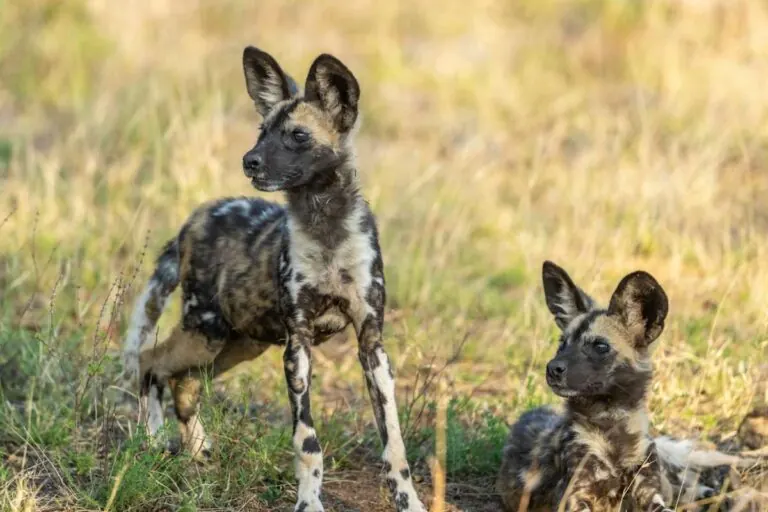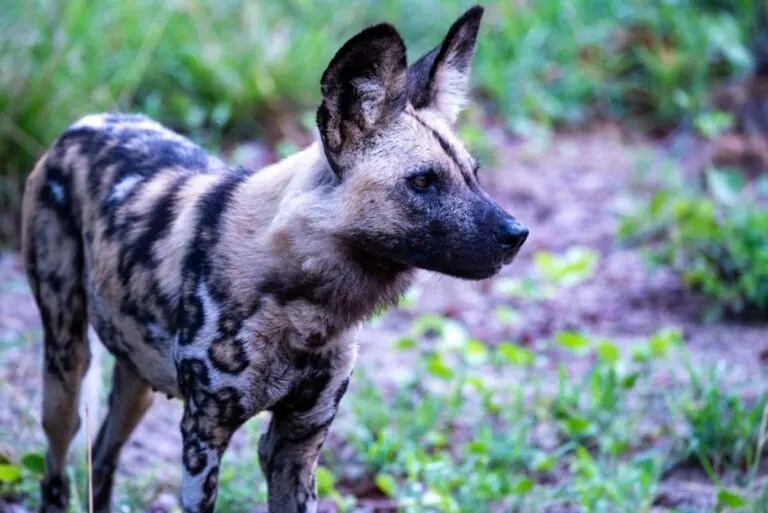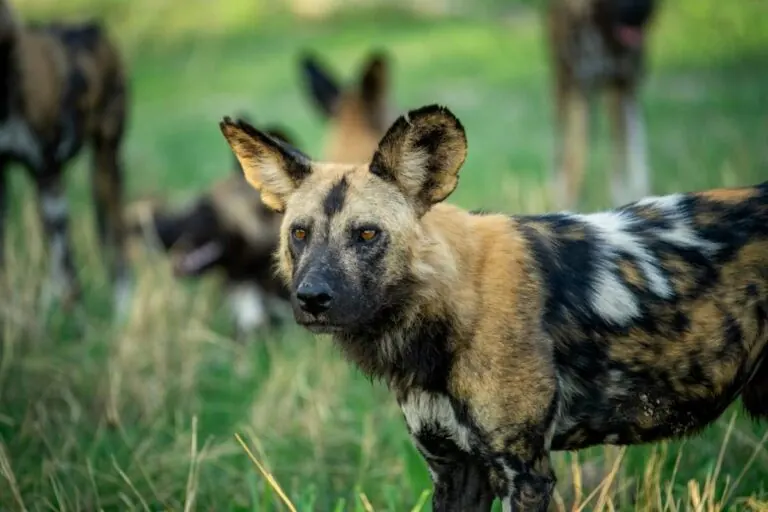
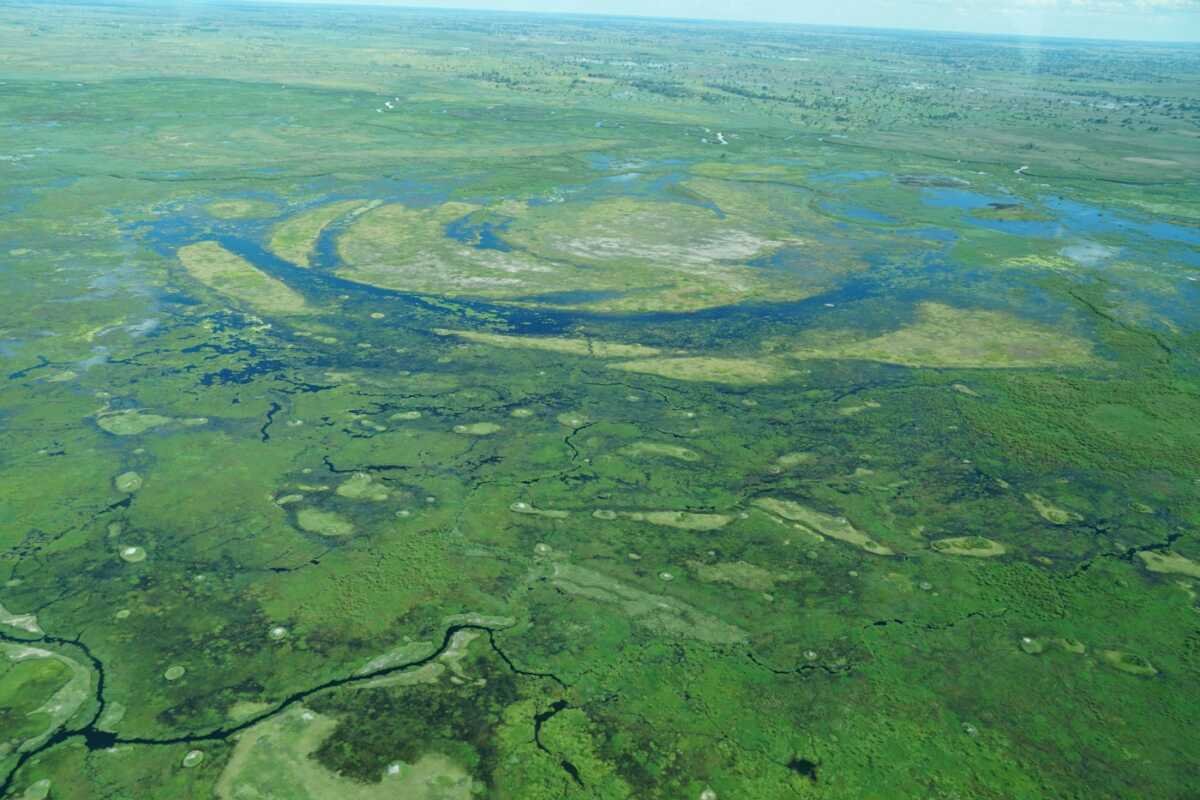
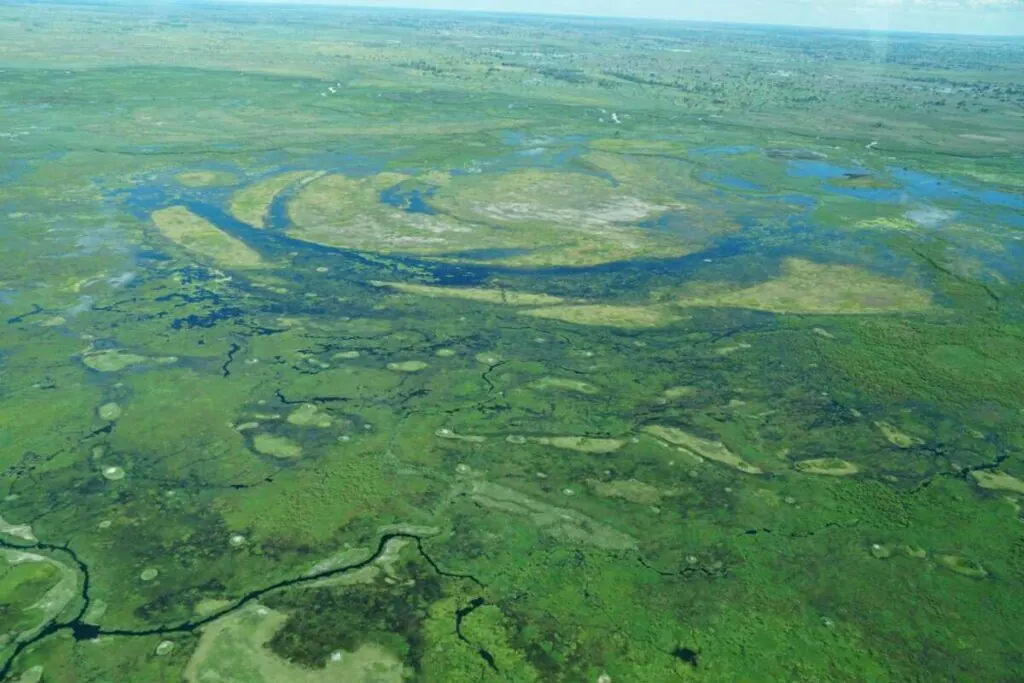
African wild dogs in Botswana form one of the largest populations left in Africa. Most live in the north, around the Okavango Delta, Moremi, Linyanti and Chobe. The 2020 IUCN assessment names northern Botswana first among the species’ strongholds.
So if you want to see painted dogs, Botswana gives you some of the best odds on the continent. It is also where scientists have studied them longest. A research project on the Okavango’s wild dogs began in 1989 and still continues today.
Why Botswana matters for African wild dogs
Botswana has what wild dogs need most: huge areas of wild land and few people. Much of the north is national park, game reserve or private wildlife concession. As a result, packs can travel far without running into farms.
Northern Botswana also links to wild land in four neighboring countries. Together they form the Kavango-Zambezi Transfrontier Conservation Area (KAZA). A 2021 University of Zurich study found that dispersing dogs from Botswana used it as a hub. Most of the good dispersal routes they found were inside KAZA’s borders.
In other words, Botswana’s dogs don’t only matter for Botswana. They help keep the whole southern African population connected. You can read how young dogs leave to form new packs in our African wild dog pack guide.
How many wild dogs live in Botswana?
Nobody has a single agreed number. We could not find a recent national census from Botswana’s wildlife department. Instead, you will see different estimates from different sources.
| Source | Estimate | What it counts |
|---|---|---|
| IUCN Red List (2020) | Largest subpopulation about 250 mature dogs | Breeding-age adults in one connected population, not a country total |
| Expert Africa (safari operator) | About 1,300 dogs in about 130 packs | All dogs, country-wide; source not stated |
| &Beyond (safari operator) | About 30% of the world’s wild dogs in the Okavango area | Share of the global total; source not stated |
So why do the numbers differ so much? First, some counts include pups and yearlings, while the IUCN counts only breeding-age adults. Second, counts come from different years, and numbers swing after a disease outbreak. Third, the areas counted are not the same.
The safest summary is this. Botswana likely holds somewhere near one fifth to one third of all wild dogs left in Africa.
Where do wild dogs live in Botswana?
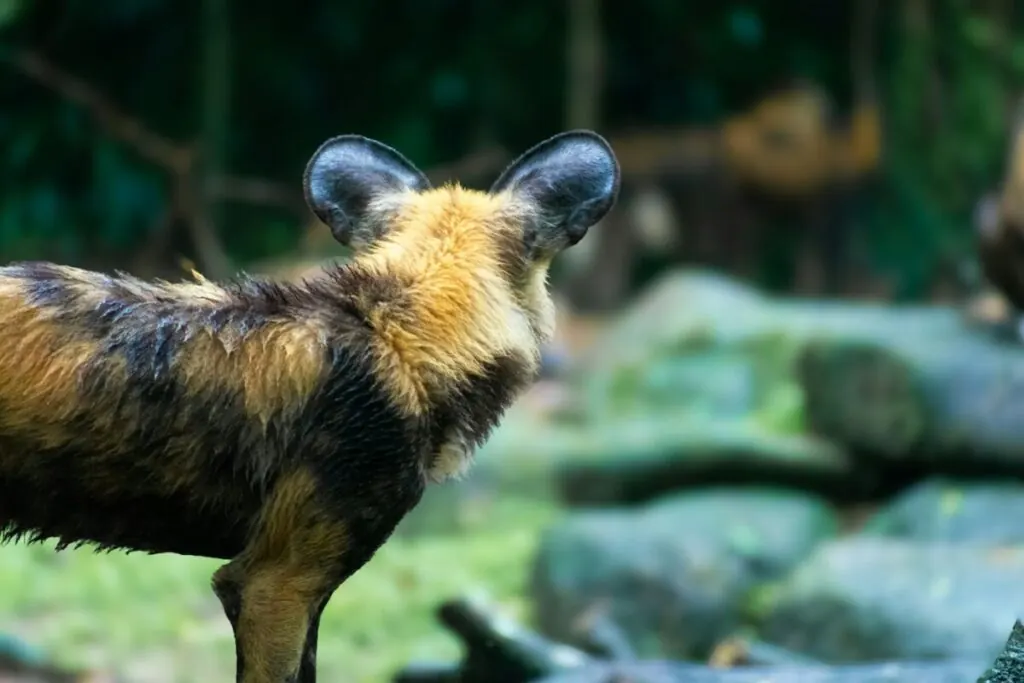
Wild dogs in Botswana live mainly in the north. Four areas hold most of the packs and most of the sightings.
Okavango Delta and Moremi Game Reserve
The Okavango is the main wild dog area in Botswana. Packs live on the dry islands and the edges of the floodplain, where impala and lechwe graze. Moremi Game Reserve covers the eastern side of the delta, including the Xakanaxa area. Next to it, the Khwai area also gives regular sightings.
Linyanti, Kwando and Selinda
These private concessions are north of the delta, along the Linyanti and Kwando rivers. They are large, lightly visited and well known for wild dog dens. Many guides rate them the most reliable area in the country during the dry season.
Chobe National Park and Savuti
Chobe’s Savuti area is drier than the delta. Packs follow the impala here, and sightings pick up when the impala give birth in early summer. The riverfront near Kasane gets wild dogs too, but less often.
Outside the north
Wild dogs also turn up farther south, but rarely. There are records from the Central Kalahari Game Reserve, Nxai Pan and Makgadikgadi, and the Northern Tuli Game Reserve in the east. Don’t plan a trip around these areas if wild dogs are your main goal.
What Botswana research has taught us about wild dogs
Botswana has the longest-running wild dog study in Africa. It started in 1989 as the Botswana Wild Dog Research Project, based in the Okavango Delta. Biologist J. W. “Tico” McNutt led it for decades. Today it is the Botswana Predator Conservation program of the charity Wild Entrust. Here are four findings that came from Botswana.
Packs vote with sneezes
In 2017, Reena Walker, Neil Jordan and colleagues published a study on Okavango packs in Proceedings of the Royal Society B. They found that more sneezes during a pack rally made the pack more likely to set off. Read the full story in our guide to African wild dog communication.
Young dogs travel very far
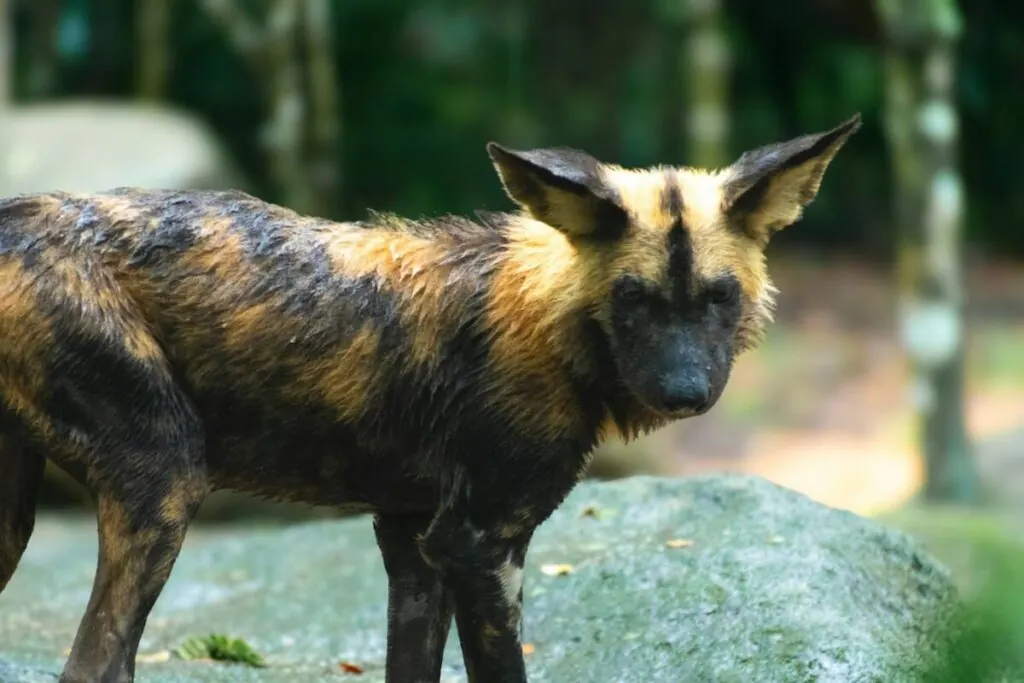
GPS collars on dispersing dogs showed how far young dogs move to find new mates. Gabriele Cozzi and colleagues published this work in 2020. Their 2021 follow-up showed that northern Botswana acts as the dispersal hub for the whole KAZA area.
Wild dogs sometimes eat fruit
In July and August 2022, researcher Megan Claase watched an Okavango pack eat jackalberries. All 11 adults in the pack ate the fruit, day after day. It was the first record of wild dogs eating fruit. Our guide to what African wild dogs eat covers their normal diet.
Pack size shapes pup survival
The Botswana team also found that larger packs raise more pups. More adults means more hunters and more guards at the den. Our African wild dog pups guide explains how the pack raises its young.
Threats to wild dogs in Botswana
Botswana’s dogs are safer than most, but they still face danger. Packs that leave protected land can meet cattle herders, who may shoot or poison them. Fast traffic on roads through wildlife areas also kills dogs.
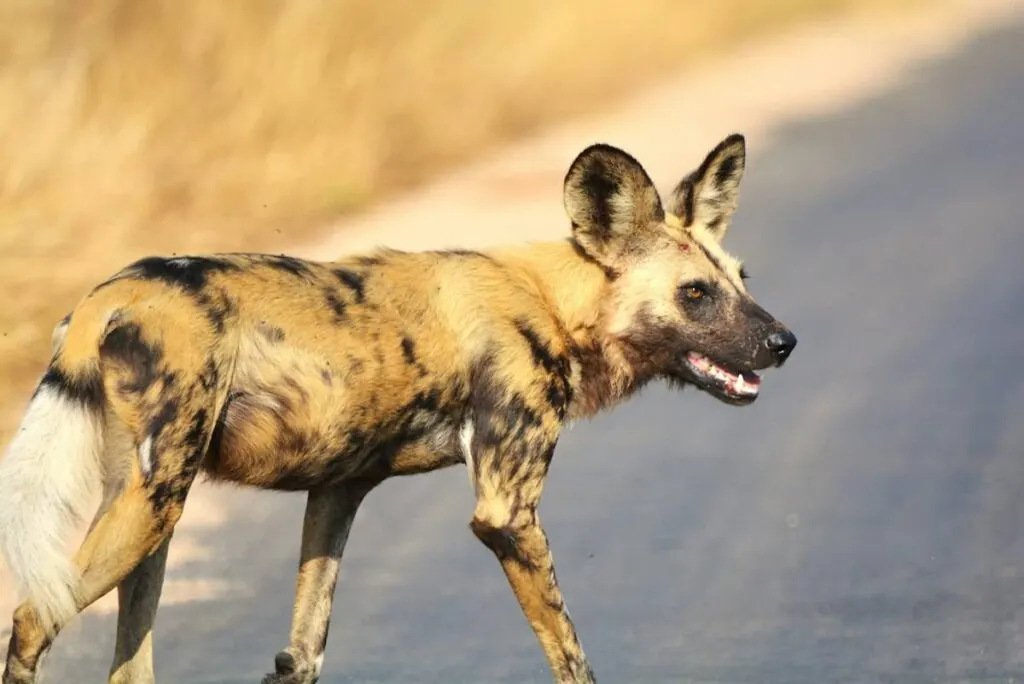
Disease is another risk. Rabies and canine distemper can spread from domestic dogs and wipe out a whole pack. Inside the parks, lions remain the main natural killer of wild dogs.
Best place to see wild dogs in Botswana
The best places to see wild dogs in Botswana are the Linyanti-Kwando-Selinda concessions and the Moremi-Khwai side of the Okavango. Savuti comes next. Here is how they compare.
| Area | Why it works | How you get there | Safari style |
|---|---|---|---|
| Linyanti, Kwando, Selinda | Large, quiet concessions with regular den sites | Light aircraft to a lodge airstrip | Off-road driving and night drives usually allowed |
| Khwai | Packs move between Moremi and the Khwai River | Light aircraft or 4×4 self-drive | Community area; off-road and night drives often allowed |
| Moremi (Xakanaxa area) | Year-round packs on the eastern delta | Light aircraft or 4×4 self-drive | National park; roads only, no night drives |
| Savuti, Chobe | Packs follow impala in the drier country | 4×4 self-drive or light aircraft | National park; roads only |
The safari style matters more than many visitors expect. Wild dogs move fast and often leave the road. In a private concession, your guide can follow them off-road and watch a hunt at dusk. In a national park, you may lose sight of the pack at the first bend.
Best time to see wild dogs in Botswana
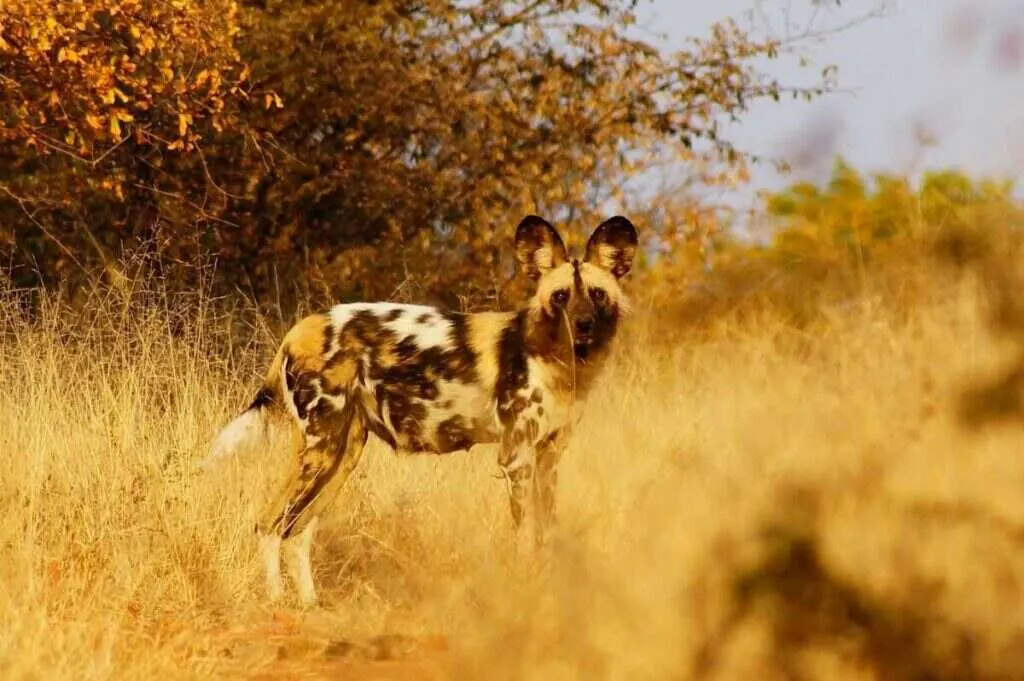
The best time is the dry season, from about June to October. During these months, many packs stay near a den while the pups are young. That makes them much easier to find.
| Months | Season | What to expect |
|---|---|---|
| June to September | Dry season, den period | Packs return to one den site each day. Sources give slightly different months, so check with your camp |
| August to October | Late dry season | Thin bush, animals gather near water, strong sightings in Linyanti and Kwando |
| November to December | Early rains, impala births | Packs with growing pups hunt newborn impala. Savuti can be good |
| January to May | Green season | Thick bush and wide travel make packs harder to find |
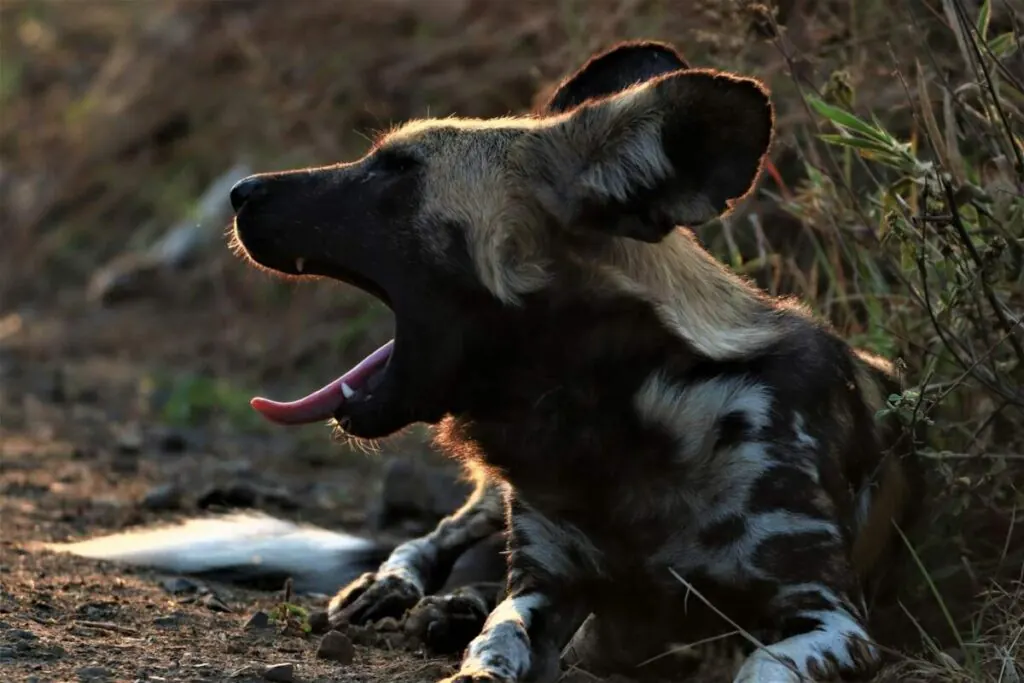
Den visits come with rules. Good camps limit the number of vehicles and the time spent at a den. They also keep a set distance from the pups.
Planning a Botswana wild dog safari
First, pick your safari style. A fly-in trip to a private concession gives you the most time with wild dogs. A self-drive trip through Moremi and Savuti costs less, but you will need a 4×4, camping skills and some luck.
Second, stay longer in one place. Packs cover large areas each day, so three nights in one concession beats one night in three camps. Guides who know where the local pack denned last year also help a lot.
Finally, follow the den rules and your guide’s lead. Stay seated, keep your voice low and never ask the guide to push closer to pups. This protects the pack and keeps sightings good for the next visitors. Our guide to whether African wild dogs are dangerous covers safety around packs.
How Botswana compares with other wild dog countries
Botswana is one of four top countries for wild dogs. Each one gives you a different kind of trip.
| Country | Main areas | Best for |
|---|---|---|
| Botswana | Okavango, Moremi, Linyanti, Savuti | Large wild concessions, off-road tracking, strong den season |
| Zimbabwe | Mana Pools, Hwange | Walking safaris near packs in Mana Pools |
| South Africa | Kruger, Sabi Sands, Madikwe | Easy access and good roads |
| Tanzania | Nyerere, Ruaha | Big, remote parks with few visitors |
For the full list of countries, read our guide to where African wild dogs live.
African wild dogs in Botswana FAQs
Are there wild dogs in the Okavango Delta?
Yes. The Okavango Delta and Moremi Game Reserve hold one of the largest wild dog populations in Africa. Packs live on the dry islands and floodplain edges all year.
How many wild dogs are in Botswana?
We found no recent official census. Safari operators give figures of about 1,300 dogs, or around 30% of the world total. The IUCN puts the largest connected subpopulation at about 250 breeding-age adults.
Where is the best place to see wild dogs in Botswana?
The Linyanti, Kwando and Selinda concessions, plus the Moremi and Khwai side of the Okavango. Savuti in Chobe National Park also gives good sightings.
When is wild dog denning season in Botswana?
Mostly from about June to September. Dates shift a little from year to year and between packs, so check with your camp before you book.
Can you see wild dogs on a self-drive safari in Botswana?
Yes, in Moremi, Khwai and Savuti. However, you must stay on the roads in national parks. So sightings are less reliable than on a guided concession safari.
Are African wild dogs protected in Botswana?
Yes. They are a protected species in Botswana, and most live inside parks, reserves and wildlife concessions. Packs that stray onto cattle land still face conflict with herders.
For more on the species, visit our main African wild dog guide.